Why Gen Z influencer marketing is a different job
Roughly 375 million Indians were born between 1997 and 2012. The older half of that group, the 18 to 26 year olds, spend more of their day with creators than with television, print and cinema combined. They follow people, not brands. A recommendation from a creator with 40,000 followers who went to their college carries more weight than a celebrity on a hoarding, because the audience can picture that person at the next desk.
That changes the brief. Gen Z influencer marketing is not a media buy with faces attached. It is picking the right 50 or 500 creators for a specific audience, giving them a reason to care, letting them speak the way they always speak and then measuring what the audience did next. Reach is table stakes. The job is trust and action.
Influencer work is one lane of the wider Gen Z marketing playbook, and it works best when it runs beside campus marketing and community marketing, so the creator post lands on an audience that has already met the brand in real life.
What a Gen Z influencer campaign includes
We run the whole programme: strategy, creator selection, contracts, briefs, content approvals, posting, boosting and reporting. You see one plan, one team and one report.
- Creator selection: we shortlist from 50K+ Gen Z creators by city, college, language, niche and audience age, never by follower count alone. A Hyderabad engineering micro-creator and a Mumbai fashion nano-creator are different tools for different jobs.
- Tiering: nano (1K to 10K followers), micro (10K to 100K) and mid-tier (100K to 500K) creators mixed for reach, trust and cost. Most Gen Z campaigns we run are 80 percent nano and micro by headcount.
- Briefs that leave room: the brand truth, the must-say, the must-not-say, then freedom. Scripted content gets skipped in under a second.
- Formats: reels, stories, carousels, YouTube Shorts, long-form YouTube and live sessions, chosen by objective rather than habit.
- Paid amplification: whitelisting and boosting the best-performing creator posts so the budget follows what the audience already liked.
- Measurement: views, saves, shares, link clicks, promo-code redemptions, installs and signups, tracked per creator and per post.
Nano and micro creators beat celebrities with this audience
Gen Z follows thousands of small accounts and a handful of big ones. The small accounts are where the comments, DMs and shares happen, because the audience feels known. For a brand, 200 nano creators in one city produce more real conversations, more reusable content and more trackable actions than one celebrity post, at a fraction of the cost. Creator content also doubles as ad creative, which is why our creator and UGC content service often runs in the same programme.
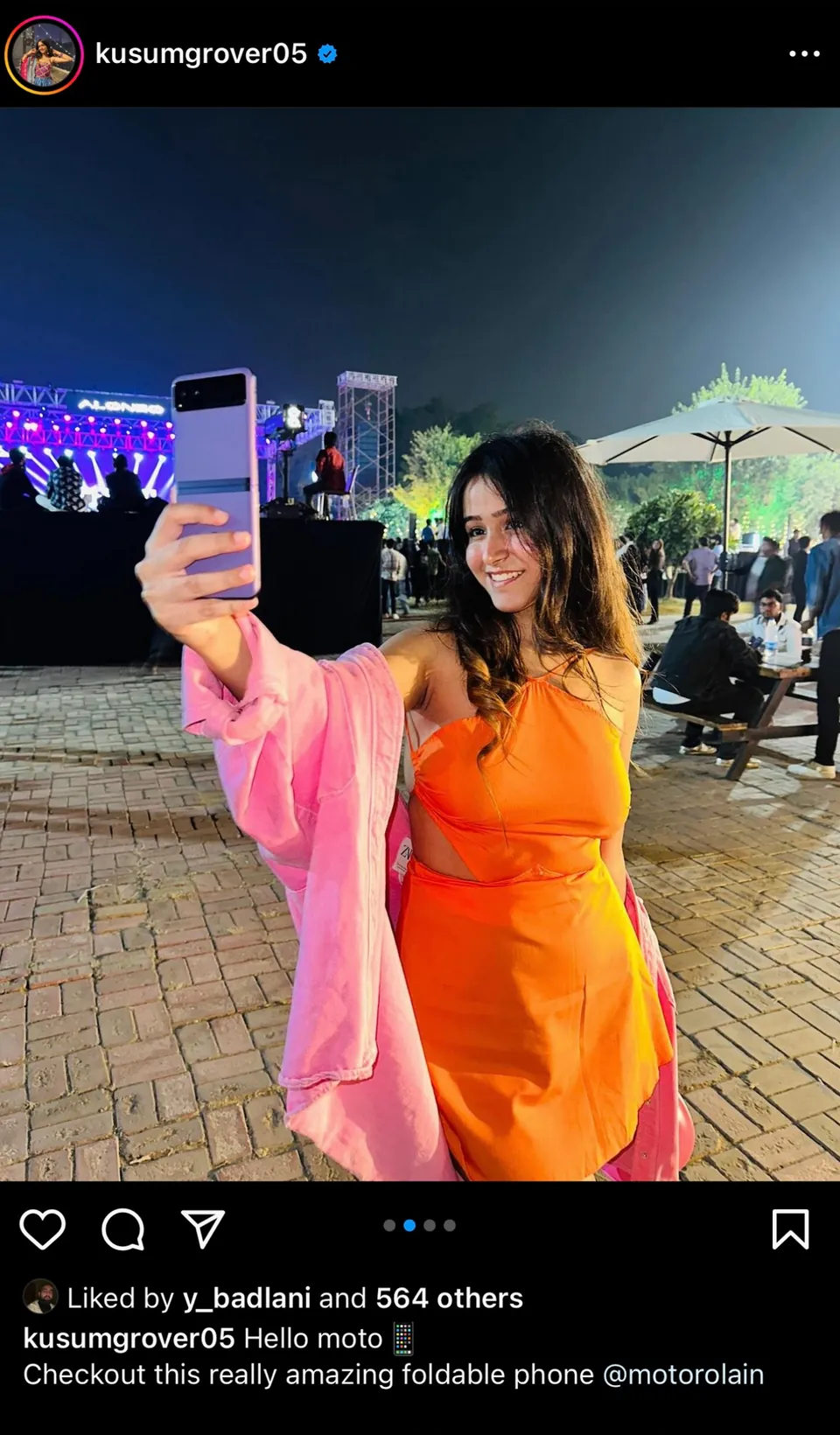
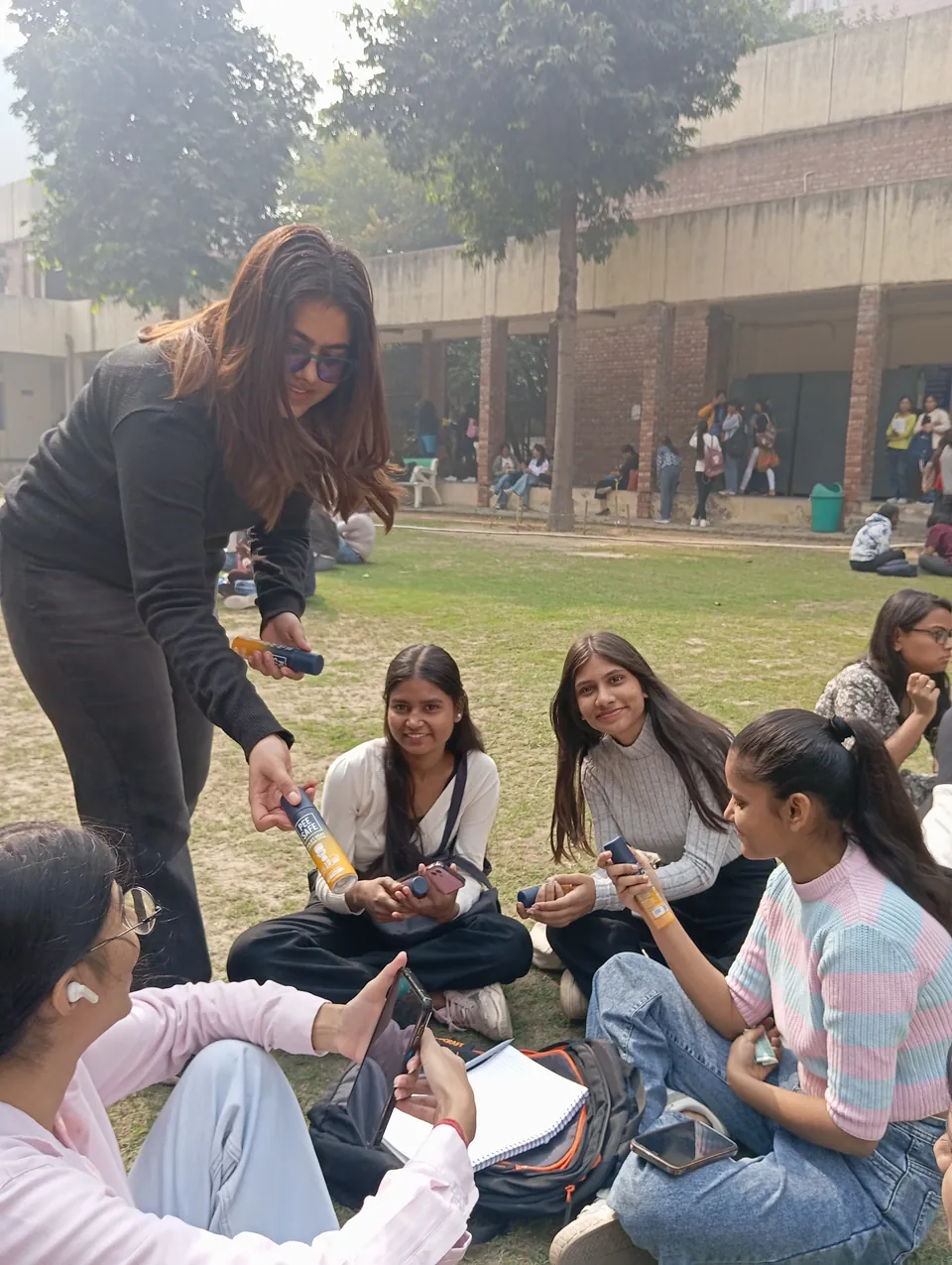
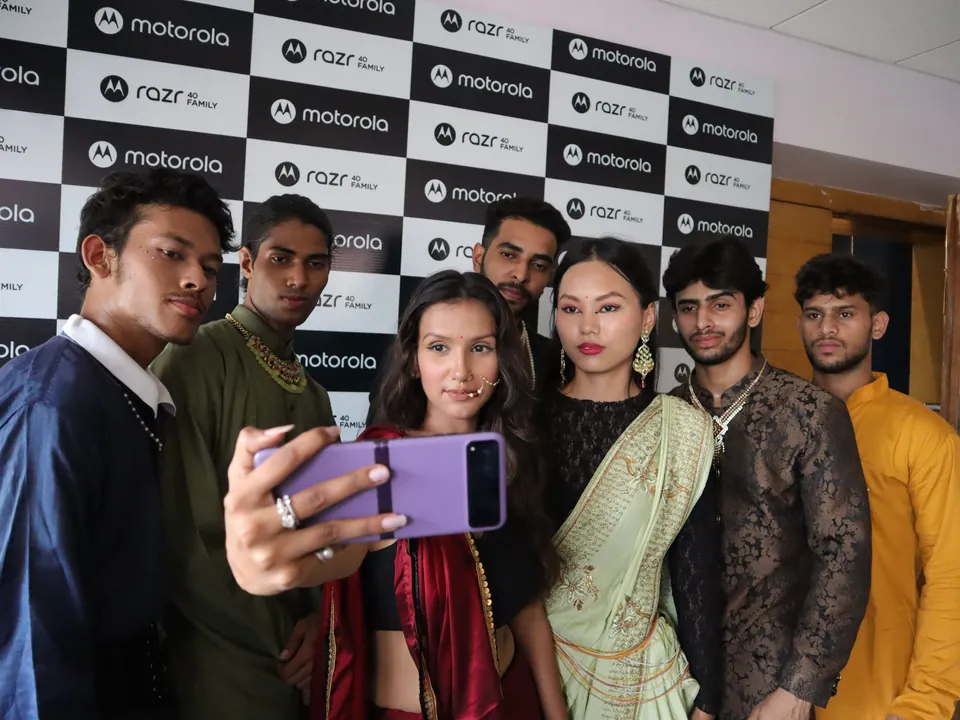
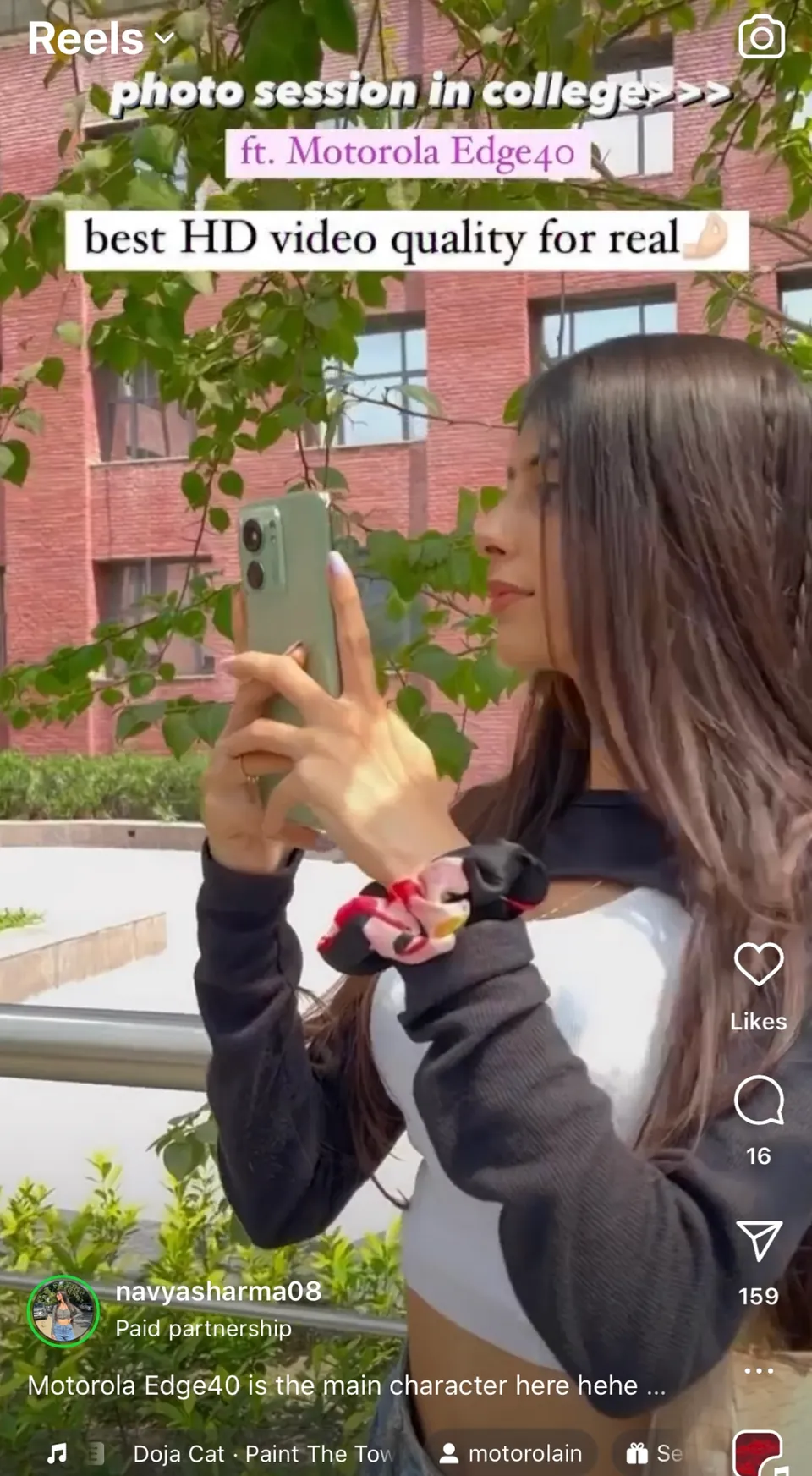
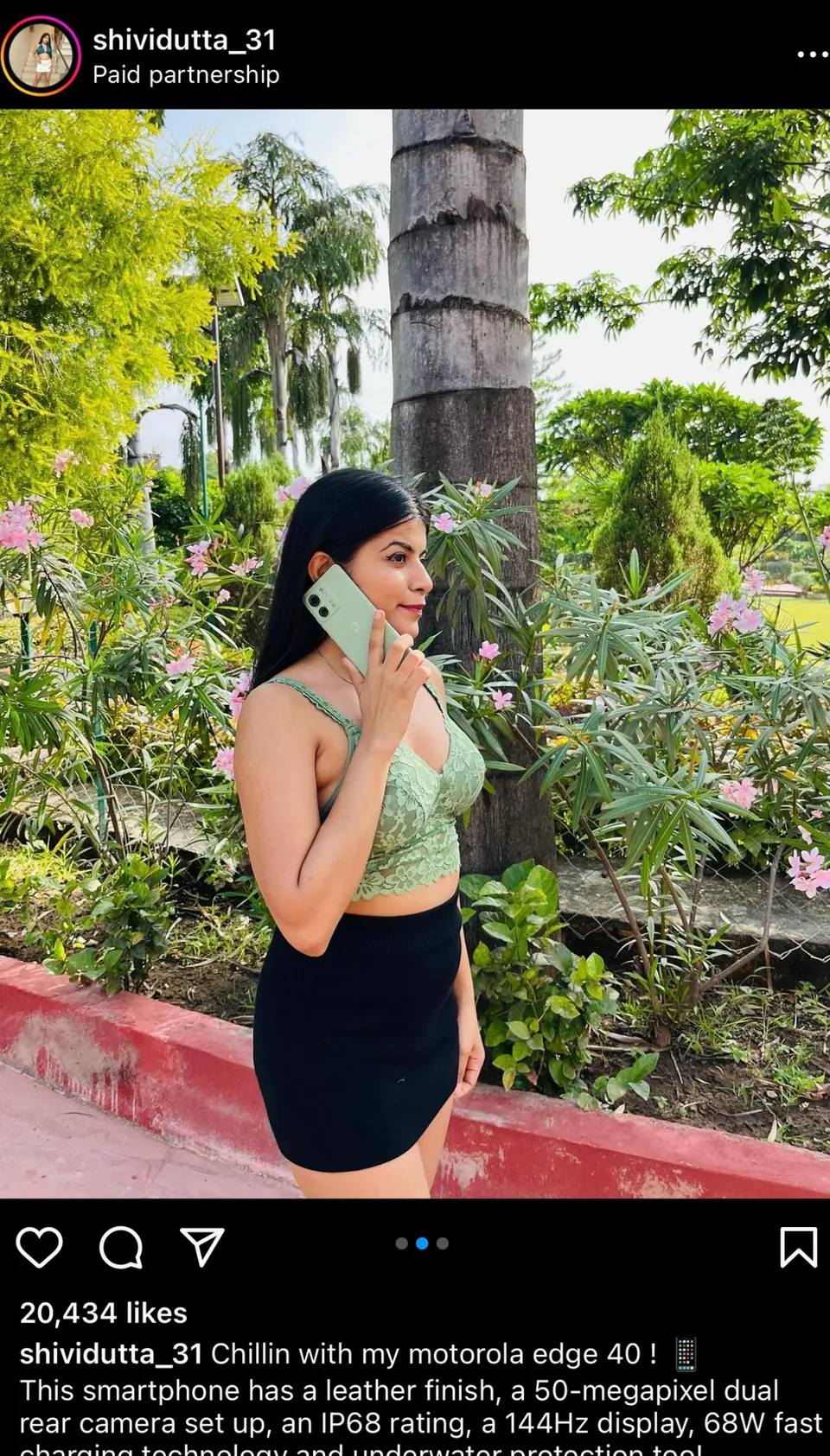
The team behind this brand has run creator programmes for Motorola, vivo, OPPO, Pee Safe, Bombay Shaving Company, Lenskart and Hive Hostels, most of them built on student and early-career creators rather than celebrity talent. The pattern repeats across categories: relevance beats reach, and a creator who actually uses the product beats one who was handed it yesterday.
Hinglish, regional languages and the tier-two shift
The fastest-growing Gen Z creator audiences in India are not in English. Hinglish, Tamil, Telugu, Marathi, Bengali and Malayalam creators now reach audiences that English-only campaigns miss entirely, and those audiences sit in cities where a brand’s first-time buyers are. A beauty launch that only books Mumbai and Delhi creators is leaving Jaipur, Indore and Kochi on the table.
Our creator benches are built city by city and language by language, which is what lets a brand run one national brief with local voices in every market. The city pages on this site, from Mumbai to Hyderabad, describe which creator communities are strongest where.
How we run a Gen Z influencer campaign
- Brief: product, audience, objective (awareness, consideration, installs, sales), cities, languages, timing and budget.
- Strategy and shortlist in 48 hours: tiering, formats, a first creator shortlist with rates, and an indicative budget.
- Contracts and briefs: usage rights, exclusivity, timelines and payment terms agreed with every creator before work starts.
- Content and posting: drafts reviewed against the brief, revisions handled, posting calendar managed, live links collected.
- Amplify and report: top posts whitelisted and boosted, then a per-creator report with reach, engagement, clicks and conversions.
What Gen Z influencer marketing costs
A single-city nano and micro creator wave of 30 to 50 creators typically sits in the ₹3 to 6 lakh range, including creator fees, management and reporting. A multi-city programme with 150 to 300 creators, paid amplification and a content licence runs ₹12 to 25 lakh. Always-on creator retainers, where a rolling cohort posts every month, start around ₹5 lakh a month.
Creator fees are passed through at cost and itemised. Our fee covers strategy, selection, management, rights and measurement. You will never find out after the campaign what a creator was actually paid.
Who Gen Z influencer marketing works for
Any brand where discovery happens on a phone screen. That is fashion and beauty, D2C, consumer apps, gaming and OTT and consumer electronics. It is also where fintech brands earn trust, because a creator explaining their first SIP in Hinglish does what a banner never will. Brands that want installs or signups as the primary outcome should read our app user acquisition page, where creators are one channel inside a performance plan.