How Gen Z buys FMCG in India
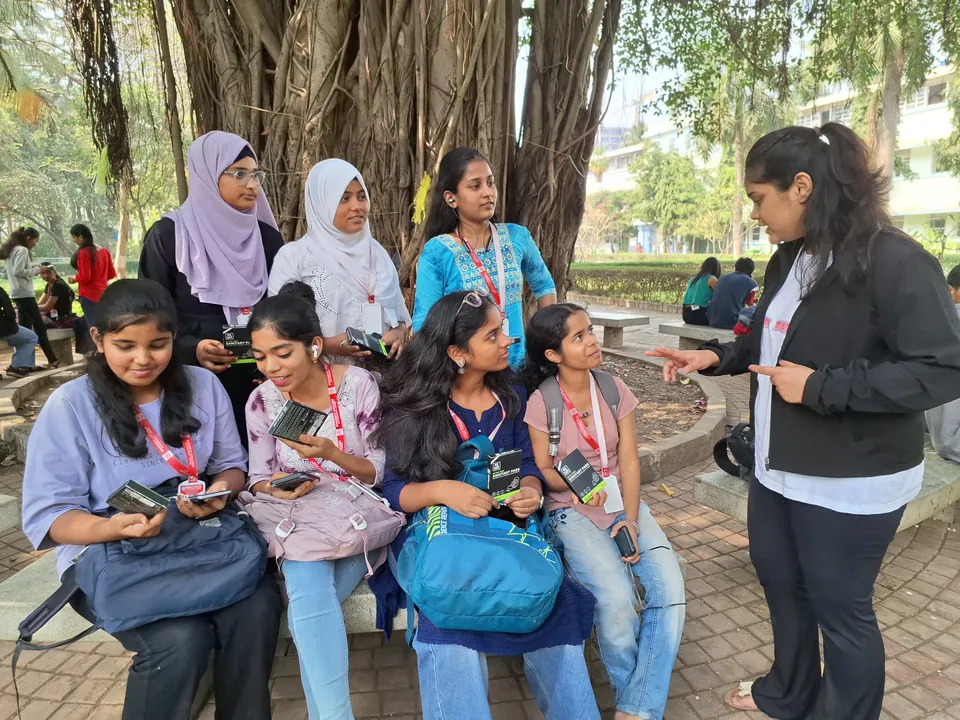
India’s 18 to 26 year olds buy snacks, beverages, personal care and grooming products more often and with less loyalty than any older cohort, until a habit sets. They buy at the hostel tuck shop, the canteen, the quick-commerce app and the kirana outside the college gate, and they buy what the people around them are buying. The hostel corridor is the most influential retail environment in the country for this audience, and no media plan reaches it.
Trial is the whole game. A product tried once, explained once and seen once on a friend’s reel becomes the default. Gen Z marketing for FMCG is about engineering that first use at scale, tracing it, and following up until the second purchase happens.
The channels that work for FMCG
The mix is set by the product and the calendar. Beverages and snacks lean on fests and canteens, personal care leans on hostels and PGs, and everything leans on the August to October window when campuses are full.
- Sampling at scale: gates, canteens, hostels and PG clusters across 10K+ colleges in 200+ cities, with promoters trained to say one specific thing. See sampling and activations.
- Fest activations: experience zones, product bars and stage moments at cultural and sports fests. See campus marketing.
- Student creator content: reels from the sampling drive, licensed for the brand’s channels and ads, through creator and UGC content.
- Creator waves: nano and micro creators in the cities being sampled, so the product is seen on the feed in the same week it is tried. See influencer marketing.
- Ambassador follow-up: campus ambassadors who keep the product in the group chat and run the second-purchase coupon.
What to measure
Samples delivered and photo-verified, feedback responses and sentiment, coupon redemptions, repeat-purchase intent, footfall at activations, content produced and its reach, and where possible sales uplift at outlets near sampled campuses. Cost per sample and cost per redemption are agreed before product ships.
Every drop point is logged with photos, every promoter is trained to capture the QR survey, and ambassadors run the second-purchase coupon in hostel groups the week after. Reporting is weekly during the wave and consolidated at the end, with cost per sample and cost per redemption by city and campus type, so the next wave goes to the campuses that converted.
The kind of FMCG work the team has done
The team behind this brand has run sampling and activation programmes for ITC, Pee Safe, Bombay Shaving Company, Starbucks, EatSure and Philips across campuses and youth hubs, and creator coverage for most of them. The work usually starts with a sampling pilot in hostel-dense cities like Pune, Noida or Chennai, then scales to a national wave timed to the college calendar.
The lesson that repeats: trial converts when it is explained, traced and followed up, and a student creator’s reel from a sampling drive outperforms the brand’s own ad with the same audience.