Why Gen Z trusts UGC over brand content
Gen Z grew up with the feed. They can tell a studio shoot from a bedroom reel in the first frame, and they scroll past the studio shoot. Content from a person who looks like them, talks like them and has clearly used the product is the only format that reliably earns a pause. That is why user-generated content, and its managed cousin creator content, has become the default creative unit for brands that want 18 to 26 year olds.
The economics follow the attention. One brand film costs what a hundred UGC videos cost, and the hundred videos give you a hundred hooks to test, in six languages, across ten cities. Paid media teams that feed creator content into Meta and YouTube campaigns see the difference in the first week, which is why this service sits at the centre of our Gen Z marketing work.
What Gen Z creator and UGC content includes
You get a monthly or per-campaign batch of native content, with the briefing, creator management, editing and rights handled by us. Formats are picked for where the content will run.
- UGC reels: problem, product, proof, in under 30 seconds, shot on a phone, with captions baked in.
- Performance creatives: three to five hooks per concept, nine-by-sixteen and one-by-one cuts, ready to upload to Meta or Google.
- Testimonials: real users, real rooms, real reactions, with releases signed for product pages and app store listings.
- Unboxing and tutorials: the formats that drive D2C and consumer electronics purchases, especially for first-time buyers.
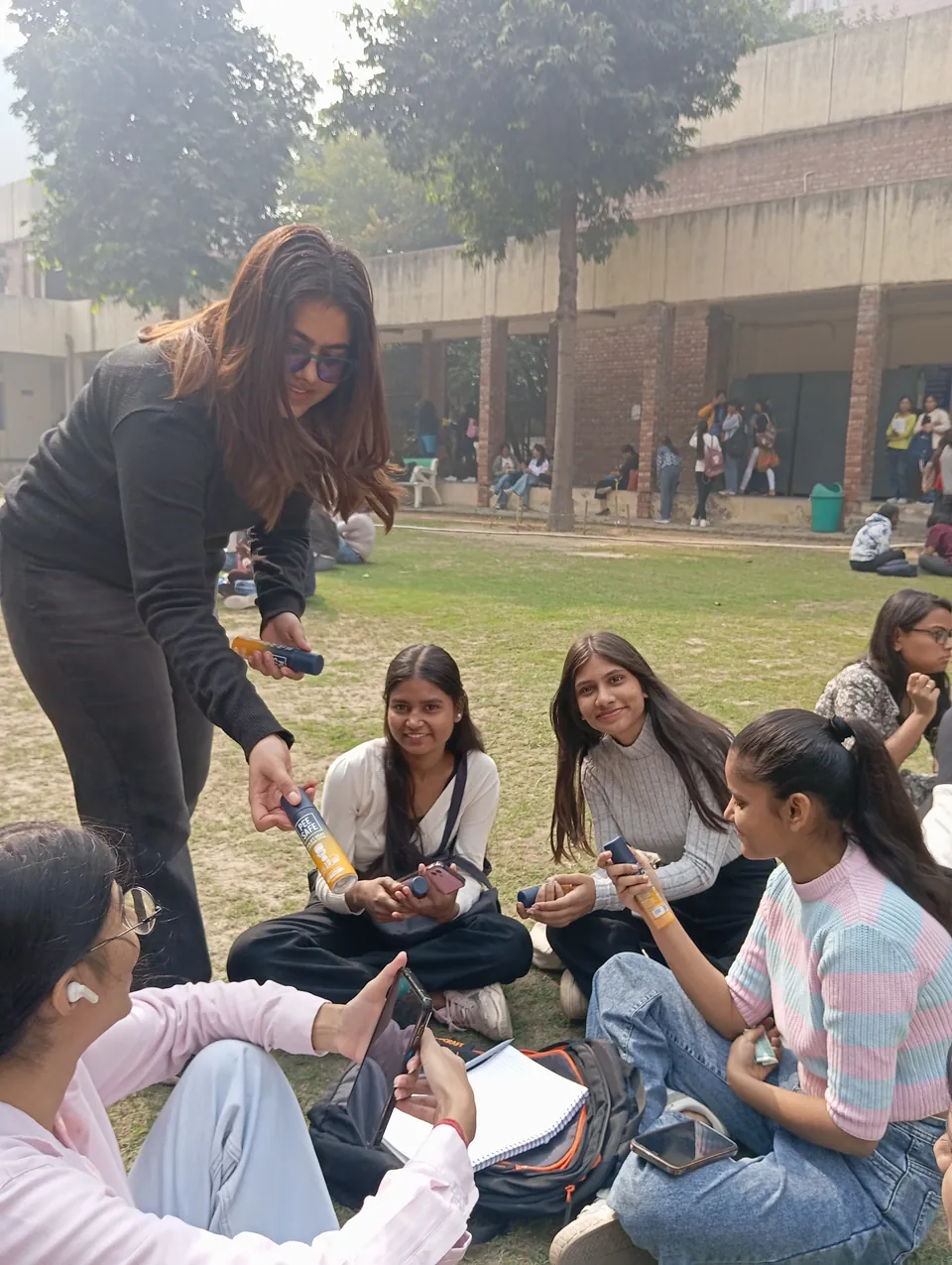
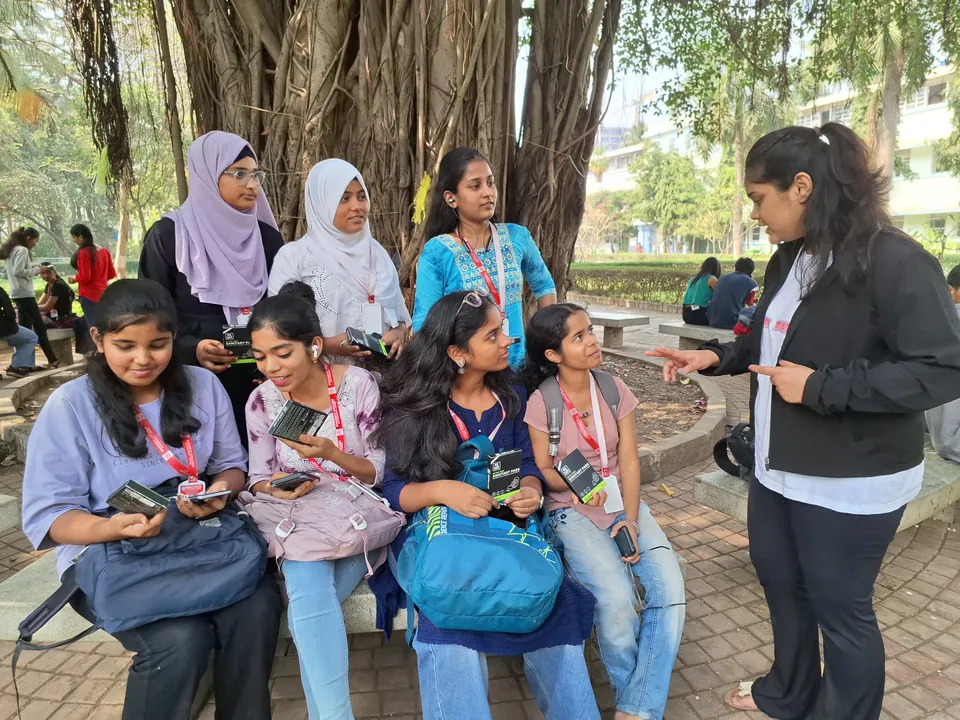
- On-ground coverage: student creators shoot campus activations and sampling drives so the event lives online.
- Localisation: the same concept in Hindi, Tamil, Telugu, Marathi, Bengali, Kannada and Malayalam, by creators who are native speakers.
Creator content versus influencer posts
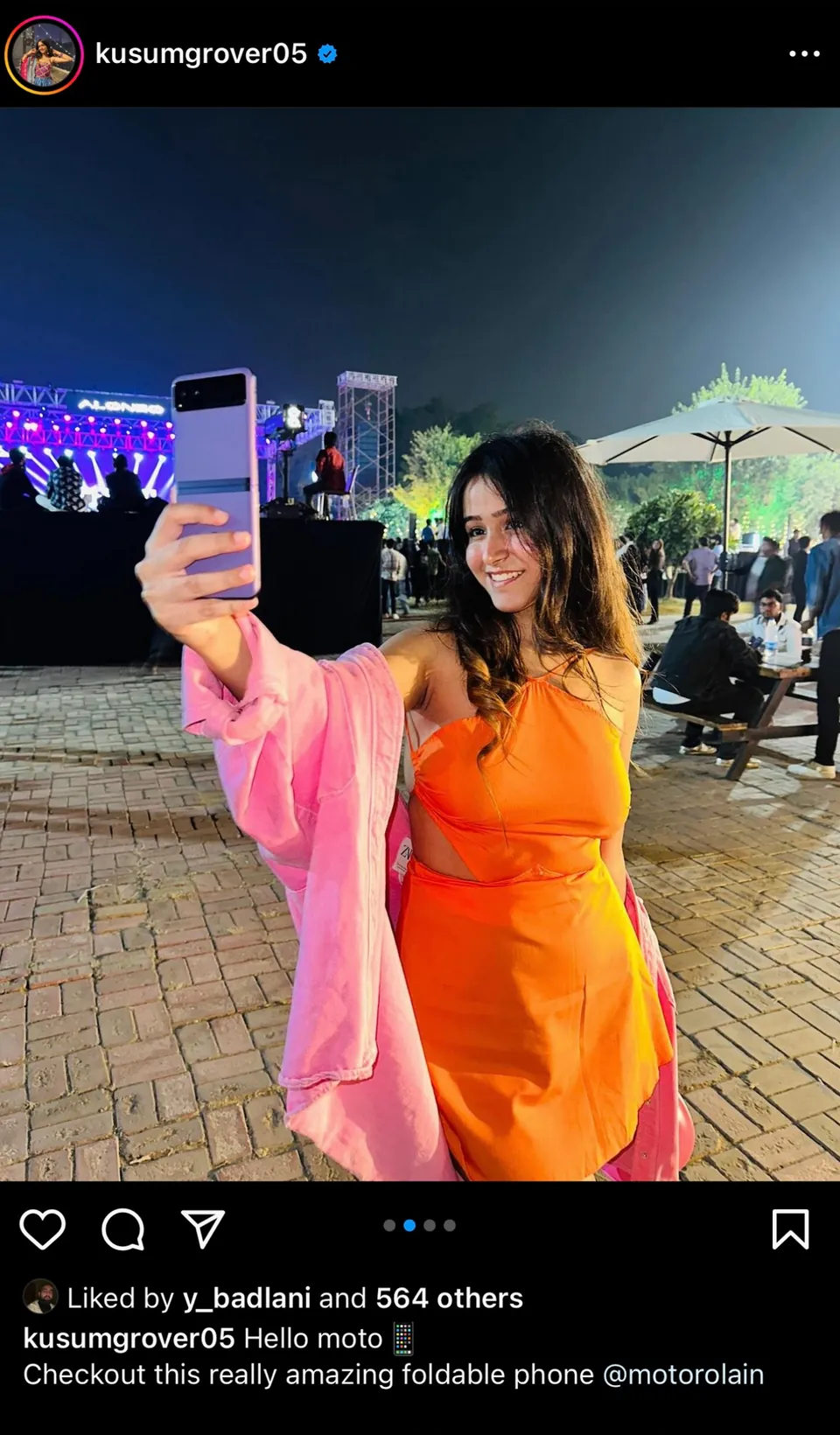
The two get confused, so here is the line we draw. Influencer marketing pays a creator to post on their own account, and you buy their audience. Creator and UGC content pays a creator to make content for your account and your ads, and you buy the content. The second is cheaper per piece, scales further, and is the right choice when your paid media team needs a steady supply of creative that does not look like an ad.
The best programmes use both. A creator who made a good UGC video for your ads is often the right person to post on their own feed too, and the content you licensed keeps working for months after the post is gone.
How we produce UGC at volume
- Brief: product, audience, the single thing you need people to believe, formats, languages and where the content will run.
- Concepts in 48 hours: five to ten hooks and scripts, each written as a creator would say it, with a shot list.
- Creator match: we pick creators from the network by age, city, language, look and category experience, and ship product.
- Shoot and edit: creators film on their phones, our editors cut, caption and version the content in seven to ten days.
- Deliver and iterate: content delivered with rights paperwork, then the next batch built from what performed.
What Gen Z UGC content costs
A starter batch of 20 to 30 UGC videos with rights for organic and paid typically sits in the ₹2 to 4 lakh range. A monthly retainer of 50 to 100 videos across multiple languages runs ₹5 to 10 lakh a month. Large-scale programmes with 200+ pieces a month, dedicated editors and a testing loop with your paid team run ₹15 lakh a month upwards.
Pricing is per piece delivered, with rights included, so your cost per creative is known before the shoot. Creator payments are itemised and passed through at cost.
Who Gen Z creator content works for
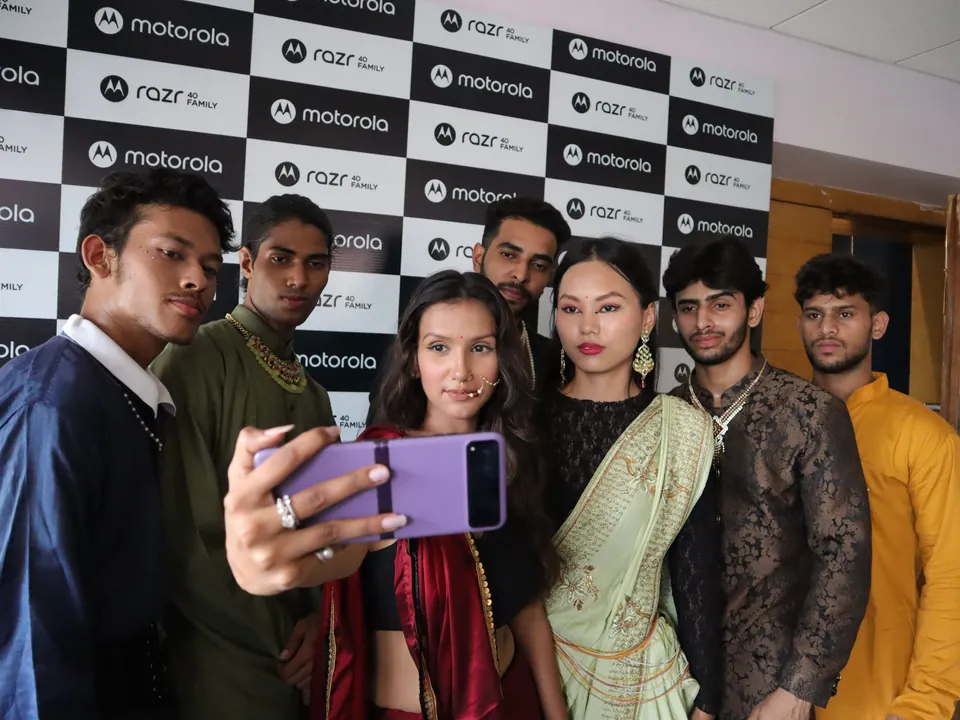
Any brand that spends on paid social and is tired of the same three creatives. That is most of D2C, fashion and beauty, consumer apps and FMCG, plus edtech and fintech brands that need explainers in regional languages. The team has produced creator content for Pee Safe, Bombay Shaving Company, Motorola, EatSure, Lenskart and Hive Hostels, with creator benches deepest in Mumbai, Delhi, Bangalore and Chennai.