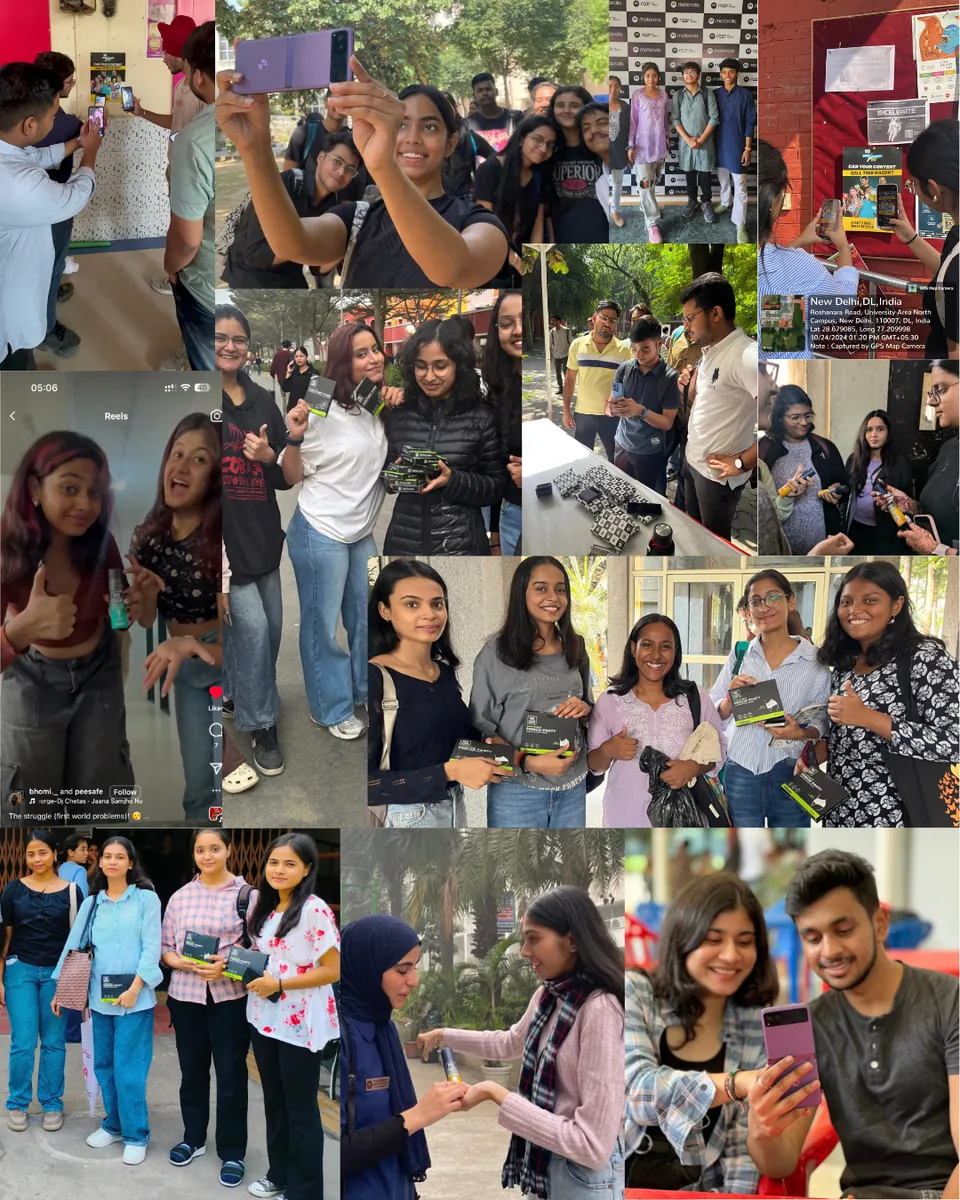
Why campus is the sharpest Gen Z channel in India
India has roughly 43 million students enrolled in higher education, spread across more than 40,000 colleges and 1,100 universities. That is the largest concentrated gathering of 18 to 24 year olds anywhere on earth, and they sit in the same buildings, eat at the same canteens and scroll the same college meme pages for most of the year.
For a brand, that density is the whole point. A single activation in a 6,000-student campus reaches more first-jobbers, first-phone-buyers and first-account-openers in one afternoon than a month of paid social. And because the audience is physically together, the campaign spreads the way Gen Z spreads everything: in the group chat, on the class WhatsApp, in a reel shot by the person at the next desk.
Campus marketing is one part of the wider Gen Z marketing playbook, and it is the part most agencies cannot actually execute. We can, because this team has been inside colleges for every campaign since 2023.
What a Gen Z campus marketing programme includes
Every brief is different, but the building blocks are consistent. You pick the mix; we run it as one programme with one plan, one team and one report.
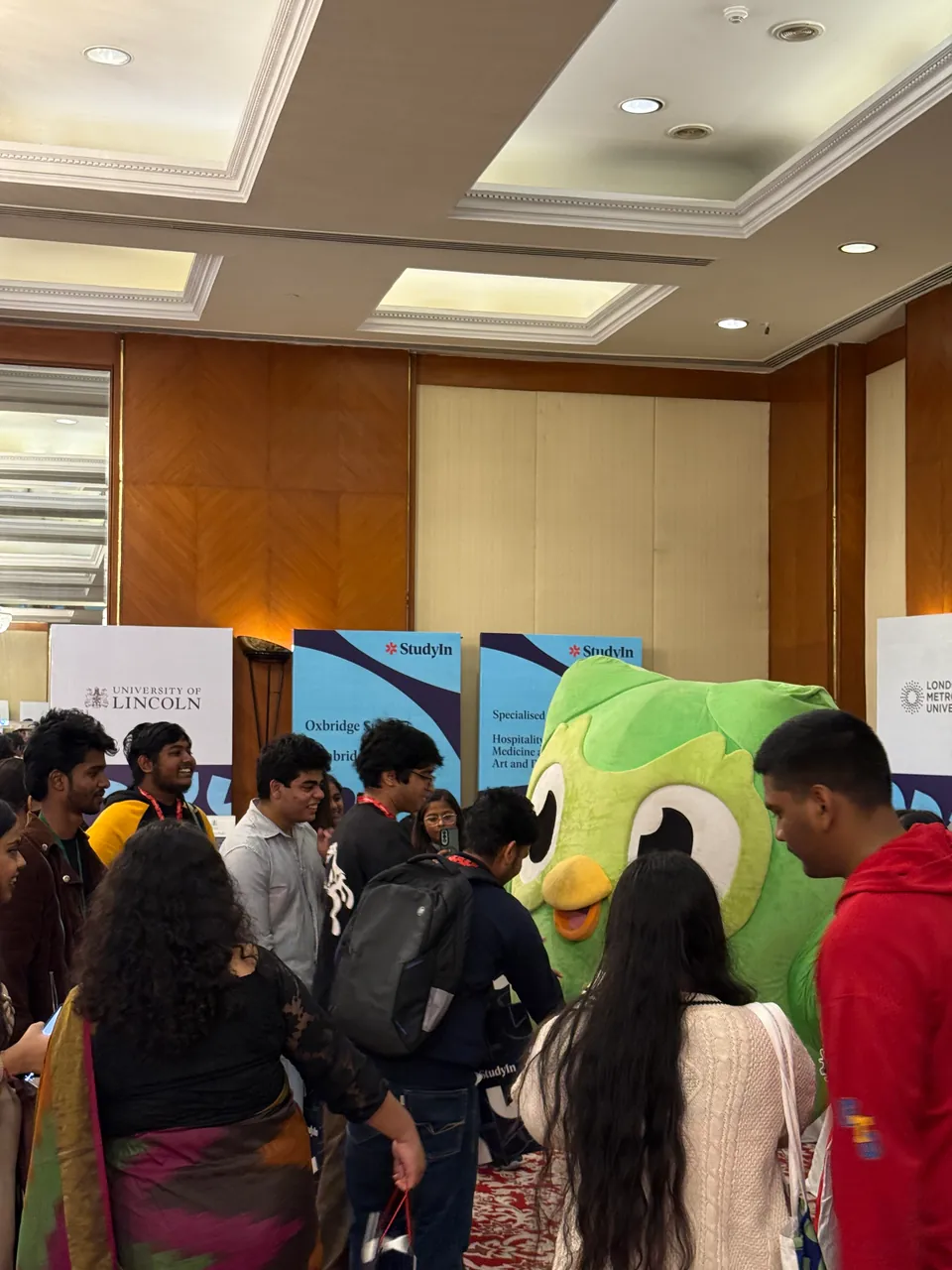
- Activations: product demos, experience zones, photo moments and try-before-you-buy counters placed where footfall is highest, usually the canteen, the main gate or the fest ground.
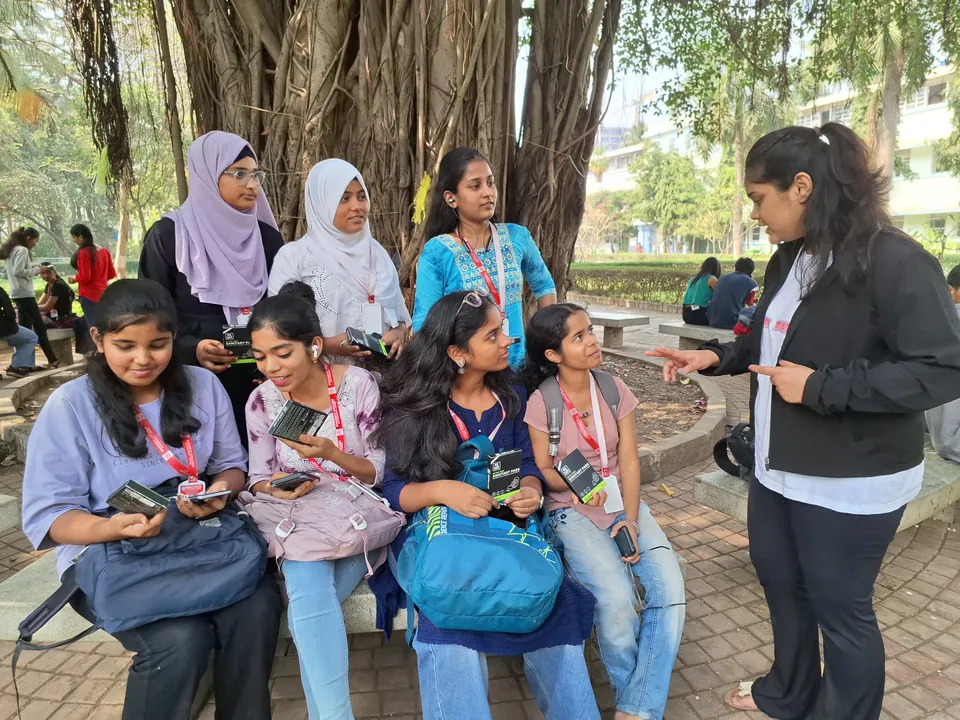
- Ambassador programmes: a cohort of students per college who complete weekly tasks, drive referrals and give you a permanent presence between activations. See how we structure these on our community marketing page.
- Fest partnerships: cultural fests, tech fests and sports meets pull 10,000 to 50,000 students over three days. We negotiate the slot, build the activation and brief the creators.
- Sampling: the fastest route to trial for FMCG, personal care and beverages. Our sampling and activations service covers logistics, permissions and feedback capture.
- Creator coverage: student creators from the same campus film and post the activation, which is how a one-day event becomes a week of reach. Read more under creator and UGC content.
How we plan a campus campaign
We start with the audience, not the college list. A fintech app wants final-year students in commerce and engineering colleges in tier-one and tier-two cities. A beauty brand wants first and second years in arts colleges and hostels. A gaming brand wants esports clubs. The college list follows from that.
- Brief: brand, product, the action you want (install, signup, sample, lead), cities and timing.
- Plan in 48 hours: shortlisted colleges, activation format, ambassador count, creator plan, timeline and an indicative budget.
- Permissions and setup: we handle the dean’s office, student council and venue logistics. You approve the creative.
- Run: our city leads supervise every activation. Ambassadors and creators are briefed, tracked and paid on time.
- Report: samples, signups, installs, footfall, content delivered and reach, against the plan, with photos and learnings for the next wave.
Timing matters more than budget
The college calendar decides everything. August to October is the admission and fest season, when campuses are full and new students are open to new brands. January to March is the second fest window. April, May and the exam weeks are dead. A campaign planned around that calendar gets twice the participation of one planned around a brand’s quarter.
We also plan around the local rhythm of each city. A Delhi University college runs differently from a Pune engineering campus or a Kochi arts college, which is why every city page on this site, from Delhi to Bangalore and Pune, is written from what we have actually seen on the ground.
What campus marketing costs
A focused pilot across five to ten colleges in one city typically sits in the ₹2 to 5 lakh range. A multi-city programme with ambassadors, fest presence and creator coverage runs ₹15 lakh upwards. We price by deliverable, not by day, and every plan comes with an indicative budget before you commit. For a fuller view of pricing bands, read how to work with a Gen Z marketing agency.
Who campus marketing works for
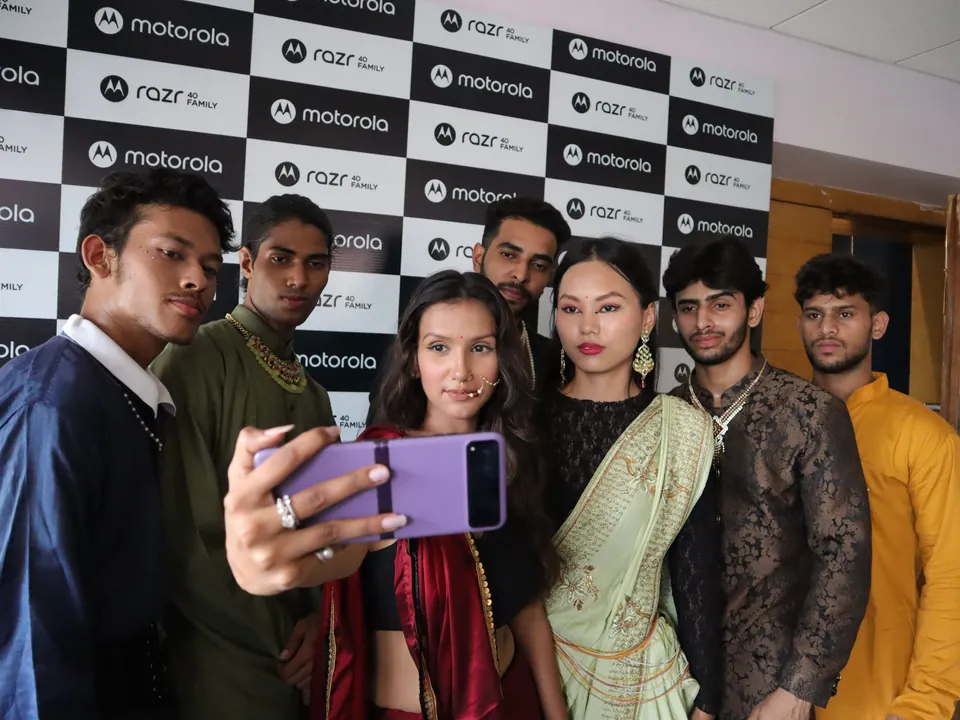
Any brand whose first purchase or first signup happens between 18 and 24. That is most of fintech (first demat and credit accounts), edtech (test prep and upskilling), consumer apps, FMCG snacks and beverages, fashion and beauty, and two-wheelers and consumer electronics, where our work for Motorola, KTM, Bajaj Pulsar and vivo started on campus.