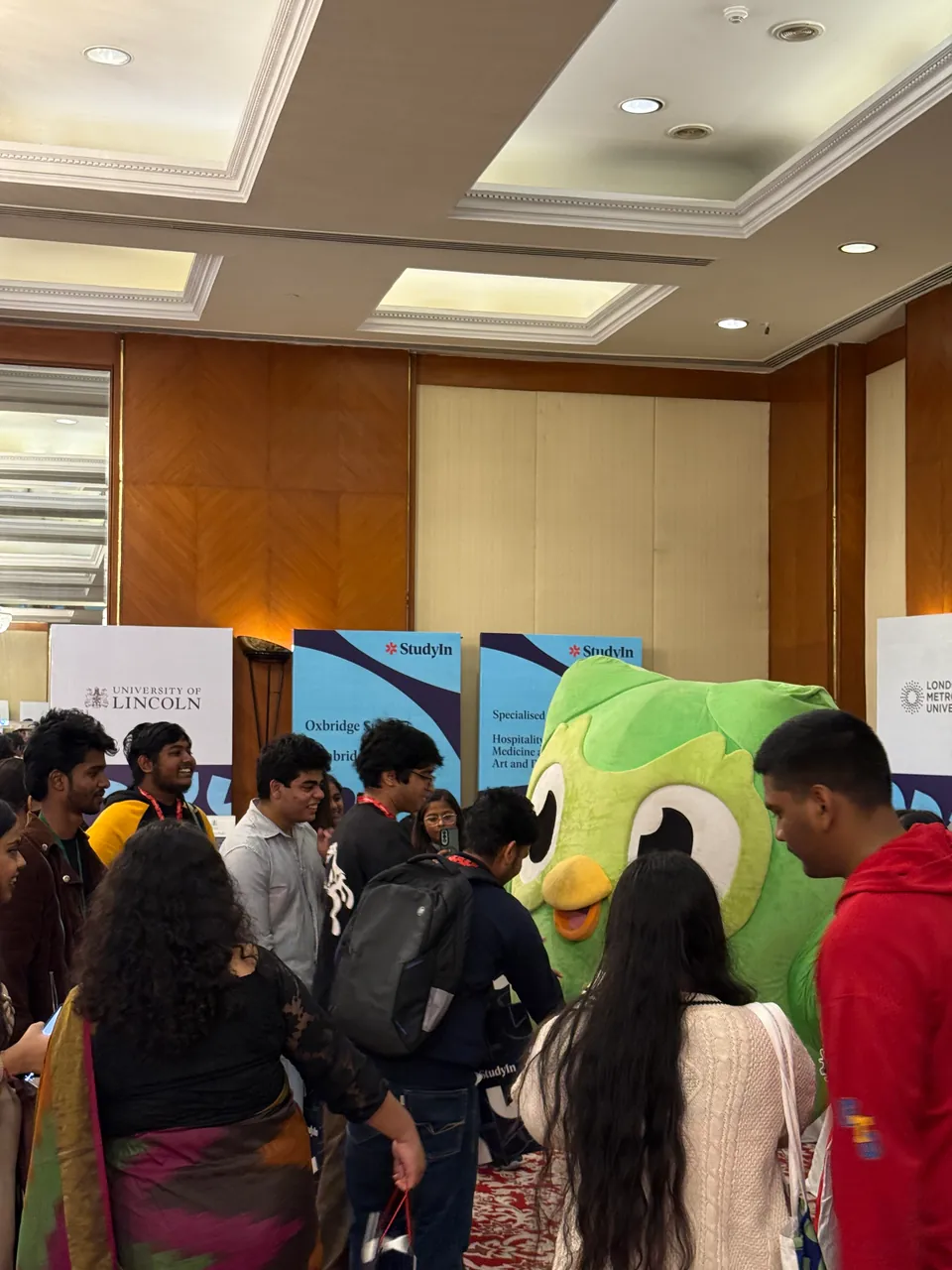
How Gen Z chooses edtech in India
India has roughly 43 million students in higher education and tens of millions more preparing for entrance exams, upskilling for placements or planning to study abroad. They choose by asking people one step ahead of them: the senior who cracked the exam, the batchmate who got the certification, the cousin who went to Canada. Then they check reels and YouTube, then they join a WhatsApp group, and only then do they fill the form.
That order matters. Edtech brands that start with the form, through paid lead gen, pay the most for the least committed leads. Brands that start with peer voices and campus presence get leads who have already decided. Gen Z marketing for edtech is the discipline of being first in that sequence.
The channels that work for edtech
The mix depends on the category. Test prep leans on ambassadors and communities, study abroad leans on fairs and seminars, and upskilling leans on creators who already have the job the student wants.
- Campus ambassadors: a student cohort per college who refer, host sessions and capture leads for a semester. The programme structure is on our campus marketing page.
- Fairs and seminars: education fairs, career sessions and demo classes inside colleges, timed to admissions and placement season, with lead capture built in. See activations.
- Student creators: seniors and recent graduates on reels, Shorts and YouTube telling their own story, produced through creator and UGC content.
- Aspirant communities: moderated WhatsApp groups for exam, course or destination cohorts, built by our community marketing team, which become the warmest lead source over a season.
- Performance: paid media using student creator content, optimised to qualified leads and enrolments rather than form fills.
What to measure
Qualified leads by channel and college, cost per qualified lead, lead-to-enrolment rate for campus versus paid cohorts, ambassador referrals, community membership and activity, and content reach among the target course and year. Form fills alone are not reported as a result; enrolments are.
Lead quality is scored at source: course, year, college and intent captured at the counter, the fair or the referral link, then matched to enrolments from your CRM. Ambassadors are paid on tasks completed and qualified referrals, not raw sign-ups, which keeps the data honest. Monthly reports show cost per enrolment by city and college type, so next season’s college list is better than the last.
The kind of edtech work the team has done
The team has run campus ambassador programmes, education fairs and creator campaigns for Unacademy, StudyIn, QS and Unstop, across colleges from Delhi to Kochi. Study-abroad fairs inside colleges, ambassador-led referral drives for test prep and creator content from recent graduates are the formats that come up again and again.
The lesson that repeats: a lead that came through a classmate or a seminar is worth several that came through a form, and the academic calendar, not the marketing calendar, decides the timing.