How Gen Z picks games and streaming in India
India’s 18 to 26 year olds are the largest mobile gaming audience in the world and the core subscriber base for every streaming platform that launched in the last decade. They discover a game because a streamer played it, a clip went around the hostel group, or the college esports club ran a tournament. They discover a show because a creator reacted to it or the memes arrived before the trailer did. They stay because their friends are there.
That makes gaming and OTT the most community-led categories in Gen Z marketing. The download is the easy part. The fandom, the server, the club and the watch party are where retention and word of mouth come from, and they have to be built, not bought.
The channels that work for gaming and OTT
- Discord and WhatsApp communities: designed, seeded, moderated and programmed with events, drops and AMAs, through community marketing.
- Esports clubs and tournaments: tie-ups with college gaming societies, sponsored tournaments and LAN events at fests, through campus marketing.
- Creator ecosystem: streamers, clip channels and reaction creators with Gen Z audiences, through influencer marketing.
- UGC for paid: gameplay, reaction and recommendation content at volume for Meta, YouTube and Snapchat, through creator and UGC content.
- Watch parties and launch nights: screenings and premiere events in hostels and at fests, shot by student creators, through activations.
What to measure
Installs and trial starts by channel, D7 and D30 retention, community membership and weekly active rate, tournament and event participation, creator content reach and clip views, referral installs from community members, and subscription conversion from trial. For OTT, watch-through on the promoted title among community members is the number that shows whether the fandom is real.
Community analytics come from the server and group tools, event participation from registration and check-in, and installs and trials from tracked links per channel. The monthly report ties them together: how many community members installed, how many tournament players stayed active, and what a retained fan cost compared with paid. That comparison is usually what moves budget from the app store to the server.
The kind of gaming and OTT work the team has done
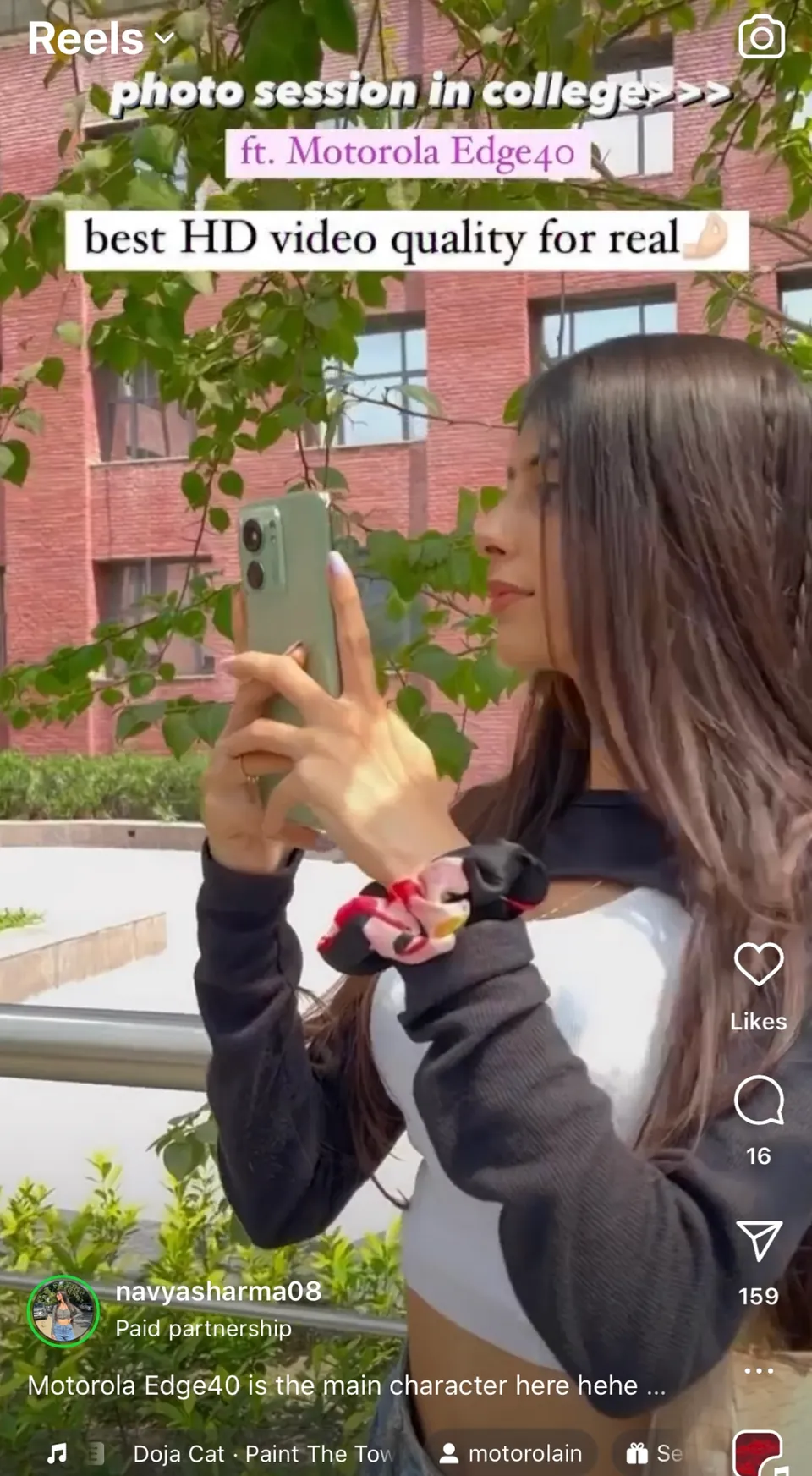
The team has run campus communities, esports club tie-ups and creator campaigns for consumer electronics and gaming-adjacent brands, including campus-led launches for Motorola, vivo and OPPO that leaned on gaming societies and student creators, and ambassador programmes for TradingLeagues, which runs on the same competitive-play mechanics. Campus gaming is strongest in engineering cities like Hyderabad, Bangalore and Chennai, which is usually where a pilot starts.
The lesson that repeats: a well-run Discord with a hundred active members does more for a game than ten thousand install-optimised downloads, and a tournament in a college fest produces content, community and installs in the same weekend.