Why Gen Z brand strategy needs a live audience, not a trend report
Gen Z in India is not one audience. A 19 year old in a Delhi University hostel, a 23 year old first-jobber in Hyderabad and a 21 year old in a Guwahati arts college share a phone and little else. Strategy built from global trend reports flattens all of them into one persona with an aesthetic, and the campaign that follows looks like every other campaign.
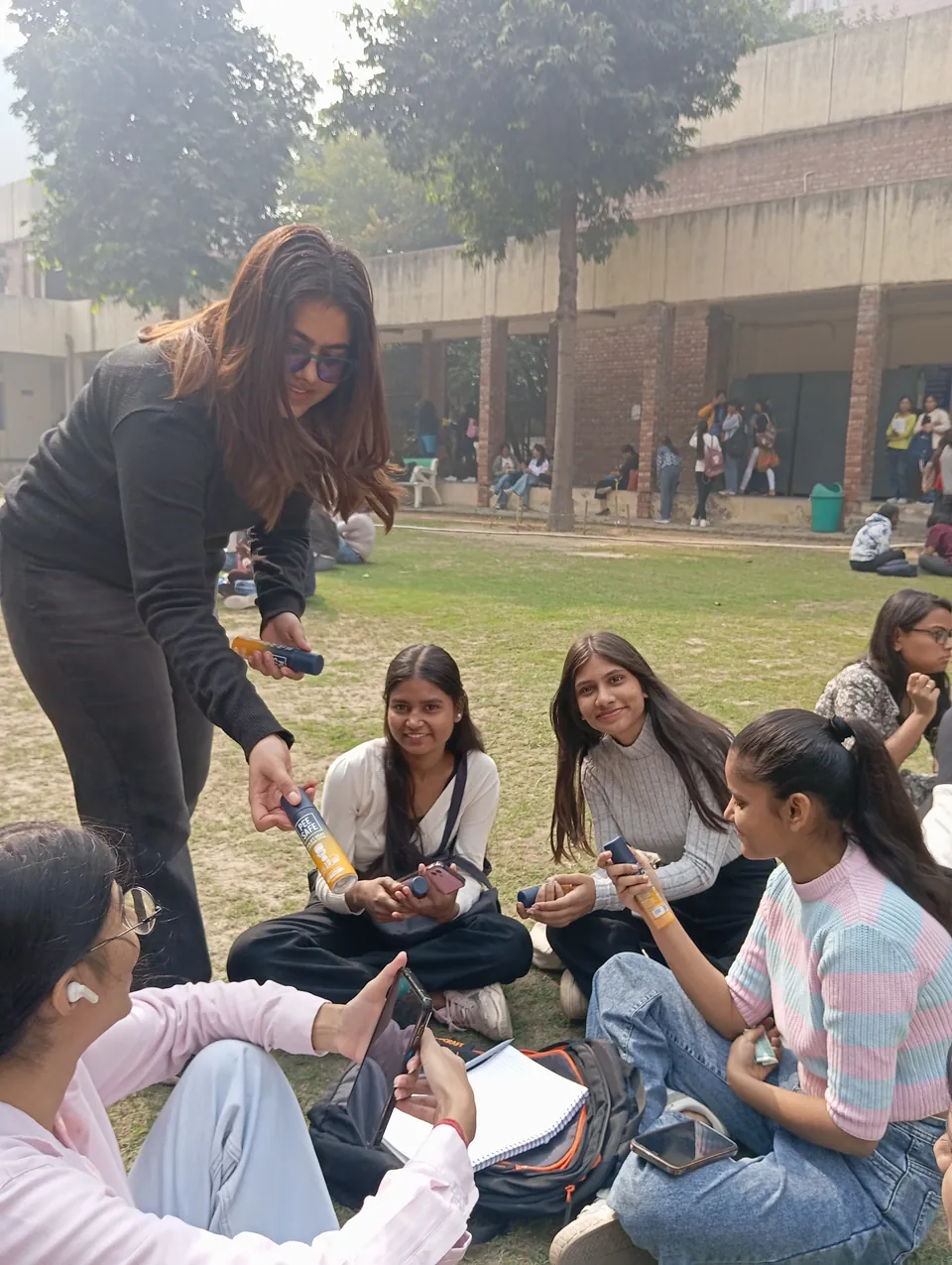
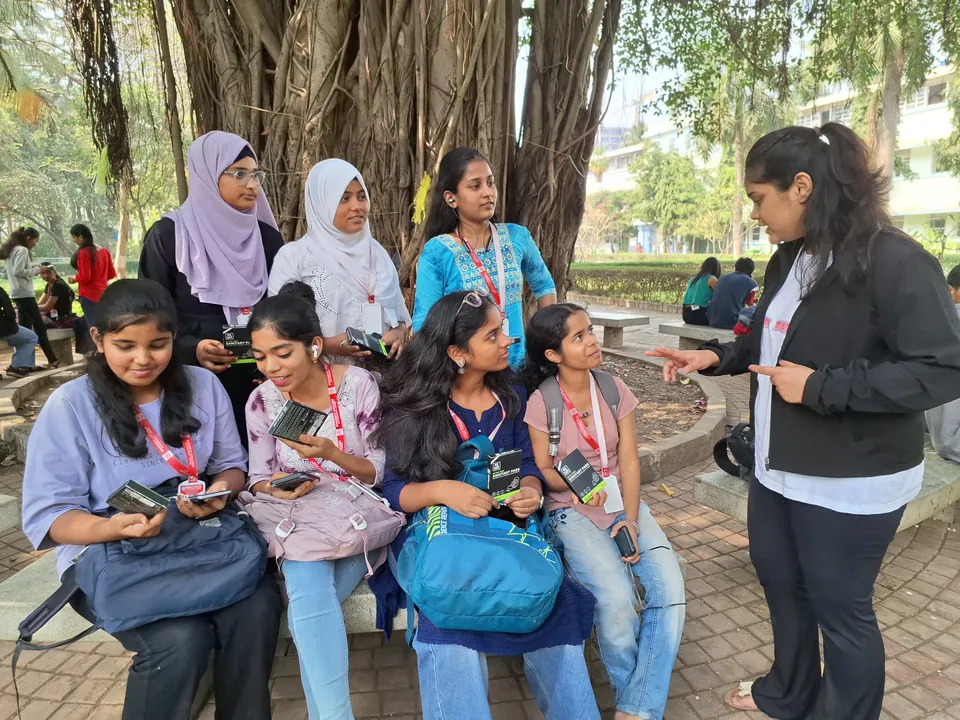
We build strategy from the ground. The same 100K+ campus ambassador and 50K+ creator network we use to run campaigns is a research panel: students and young creators in 200+ cities who will join a focus group this week, test a packaging mock-up tomorrow and tell you honestly why they uninstalled your app. That is the research layer under every piece of Gen Z marketing we do.
What Gen Z brand strategy and research includes
The service runs from research to a plan you can execute. You can buy the research alone, the strategy alone, or the full sprint.
- Qualitative research: focus groups inside colleges, hostel and PG ethnography, creator panels and one-to-one interviews, in the language the audience actually speaks.
- Quantitative research: surveys through the ambassador network with real samples by city, college type, course and year, turned around in days rather than weeks.
- Positioning: the single idea your brand can own with this audience, the proof that backs it and the language that carries it.
- Messaging and creative territories: three to five directions, tested with the audience, with notes on what to brief creators and what to avoid.
- Launch playbook: channel mix across campus, creators, community and paid, with budget bands and a 90-day calendar.
- Fast feedback: packaging, pricing, naming, app onboarding and ad concepts tested with 50 to 500 students in 48 to 72 hours.
The questions we answer most often
Does this audience know we exist, and what do they think we are? Which of our products should lead with 18 to 26 year olds? What language should we use in Hinglish, Tamil or Marathi markets? Should we be on campus, on creators or in communities first? Is our app onboarding losing students at KYC? Why do they buy the competitor at the hostel canteen? What would make them recommend us?
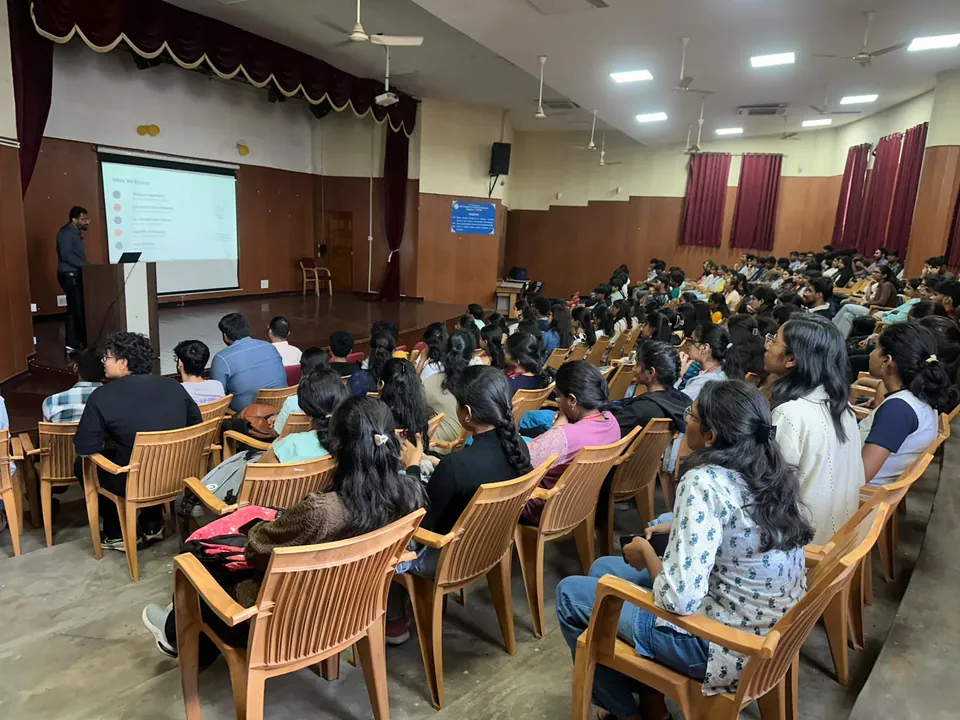
These are the questions a D2C founder, a fintech growth head or an FMCG brand manager actually brings us, and each of them is answered faster and more honestly by 200 students in a room than by a desk study.
What the research looks like on the ground
A typical sprint runs focus groups in six to ten colleges across three cities, say Delhi, Pune and Kolkata, a creator panel of 20 to 30 nano and micro creators in the category, and a survey of 500 to 2,000 students through the ambassador network. Fieldwork takes a week. Synthesis and strategy take two more.
The team has done this kind of work for brands across two-wheelers, consumer electronics, personal care, edtech and fintech, often as the first stage of a longer campaign. The best outcome is a strategy that the same network then helps execute, so nothing gets lost between the deck and the ground.
How a Gen Z strategy sprint runs
- Brief: the business question, the decisions the work has to support, markets, timeline and what you already know.
- Design in 48 hours: method mix, sample, cities, discussion guides and an indicative budget.
- Fieldwork: focus groups, creator panels, surveys and ethnography run by our city teams in week one.
- Synthesis: findings, segments, positioning options and creative territories, tested back with the audience in week two.
- Playbook: final positioning, messaging, channel plan, budget bands and 90-day calendar presented in week three.
What Gen Z brand strategy and research costs
A fast feedback round on packaging, pricing or creative with 50 to 500 students typically sits in the ₹1 to 2 lakh range. A single-market research and positioning sprint runs ₹4 to 8 lakh. A full multi-city research, strategy and launch-playbook engagement runs ₹10 to 20 lakh. Ongoing strategy retainers, with a monthly audience read and quarterly planning, start around ₹2.5 lakh a month.
Research incentives and fieldwork costs are itemised at cost. Our fee is for design, moderation, synthesis and strategy.
Who Gen Z brand strategy works for
Brands entering the 18 to 26 market for the first time, brands that have been in it for years and stopped growing, and brands about to spend serious money on a launch. It is the right first step before a large acquisition programme or a national campus wave, and the right reset when a fashion and beauty or edtech brand finds its Gen Z numbers flat while the category grows.